
WHEN EQUIPMENT FAILS, WORK STOPS.
Pushing, pulling and lifting loads is part of every shift, in every facility. But when material handling equipment breaks down, productivity drops, costs rise and your people feel it. Our solutions are built to keep your operation moving - day in, day out.
Every facility runs on the people who keep it moving. We build the equipment that helps them do it.
Resin build
Real-world ready
Long warranties
Trusted partner
Our products are made from high-performance resin - not metal or wood. That means no rusting, no warping and no cracking. Lightweight enough to manoeuvre easily, strong enough to take punishment shift after shift.
View Range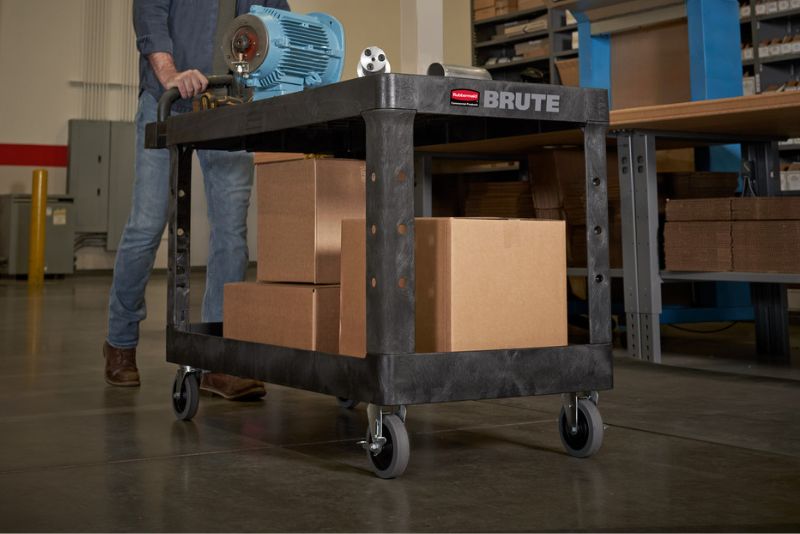
From Duramold™ precision-engineered structural foam to rotomolded bodies designed to flex on impact, every product is built around the demands of the real commercial environments they’re working in.
View Range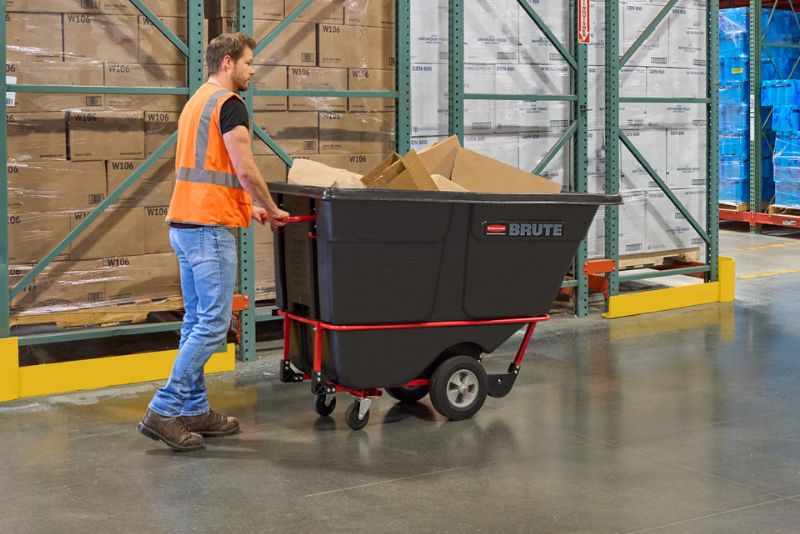
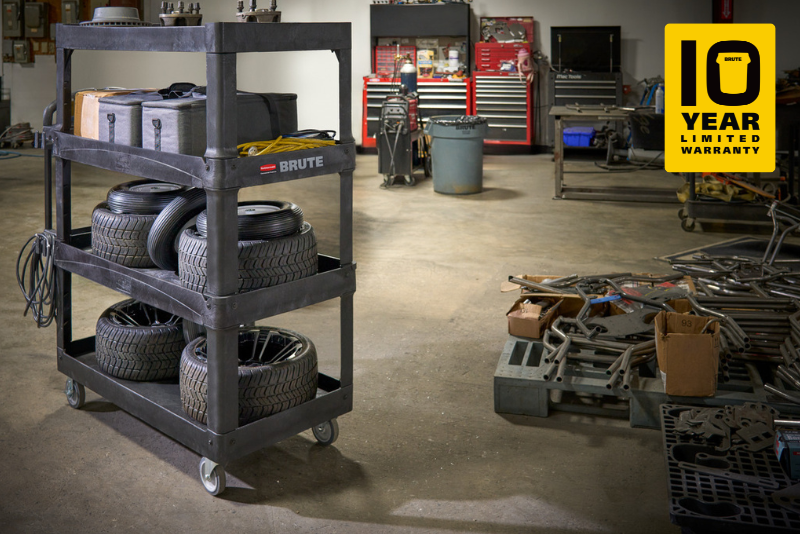
We back every product with a warranty that proves our confidence in it. 3 years on our Rubbermaid Commercial-branded material handling range, 10 years on BRUTE®. Because equipment that lasts saves you more in the long run.
Since 1968, Rubbermaid Commercial Products has been the trusted partner of facility teams worldwide. Durable, high-performance solutions for the people who keep operations running, whatever the sector, whatever the shift.
WHAT ARE YOU MOVING?
Find the right solution for your load.
For moving large, heavy or oversized items across your facility. Whether you're shifting stock in a warehouse or transporting equipment across a site, our platform trucks handle loads up to 907kg. Duramold™ construction delivers maximum strength at minimum weight.
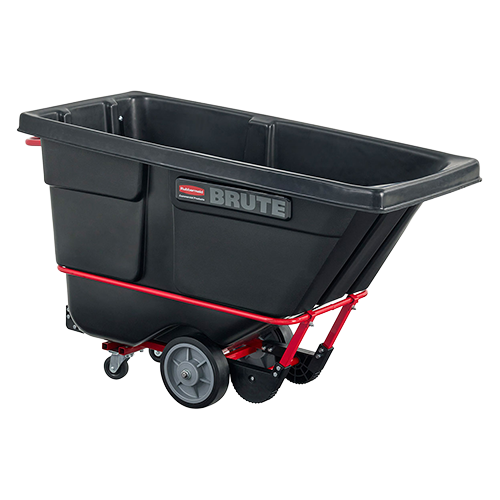
View Range View RangeFor transporting and tipping contained loads of waste, loose materials or laundry. Built leakproof with optimised wheel and castor configurations for smooth, controlled movement. Capacities from 380 to 760 litres, with load ratings up to 952kg.
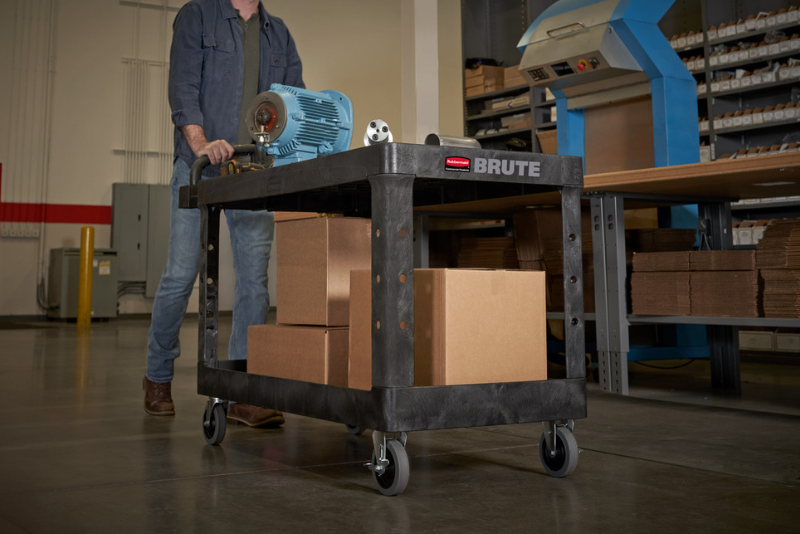
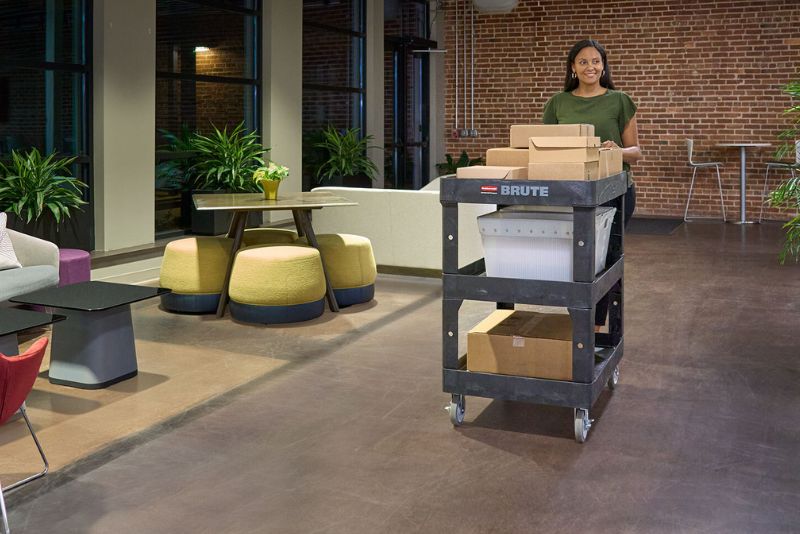
View Range View RangeFor transporting supplies, tools and materials with organised, shelved storage. Available in two, three and four-shelf configurations with lipped shelves to keep loads secure in transit. Load capacities up to 340kg with locking castors for stability.
View Range View RangePERFORMANCE FOR EVERY LEVEL OF DEMAND
Whether it's daily demands or industrial intensity, there's a solution built for it.

Heavy duty, proven.
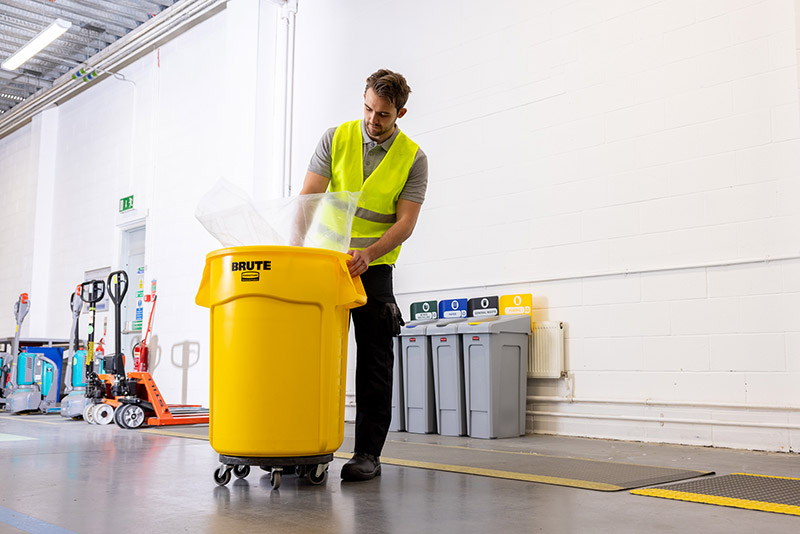
For high-intensity environments where downtime is not an option. BRUTE® material handling products are rotationally moulded to flex on impact and return to shape, with reinforced frames and ergonomic handles designed for one-person operation. Backed by a 10-year warranty.

Reliable, every shift.
Built with the same quality commitment as every RCP product. Our material handling range delivers ergonomic, durable performance for everyday transport tasks across any facility. Easy to manoeuvre, easy to clean, backed by a 3-year warranty.
EXPLORE THE RANGE

Moves oversized, heavy loads up to 907kg. Duramold™ construction for maximum strength at minimum weight.
View Product
Rigid structural foam construction for industrial environments. Handles loads up to 952kg with a 10-year warranty.
View Product
Reliable, leakproof construction for everyday bulk load transport. Built for consistent performance across any facility.
View Product
Rotomolded to flex on impact and return to shape. Built for demanding environments, backed by a 10-year warranty.
View Product
Forkliftable design for fast, efficient load transfer. Flexible, impact-absorbing construction with a 10-year warranty.
View Product
Rigid, industrial-grade construction that resists impact without flexing. For heavy loads in demanding back-of-house environments.
View Product
Ergonomic handle, locking castors and lipped shelves for secure load transport. Capacities up to 340kg with a 10-year warranty.
View ProductCONTACT US
Material handling systems are the equipment, processes, and workflows used to move, store, protect, and control materials and goods throughout a facility. In commercial and industrial environments, this typically includes platform trucks, tilt trucks, utility trolleys, and carts, designed to transport loads safely and efficiently across a site. The right material handling system reduces the physical strain on workers, keeps operations moving between shifts, and lowers the risk of product damage or injury.
The most used material handling equipment in a warehouse includes platform trucks, tilt trucks, utility trolleys, and carts. Platform trucks are used to move large, heavy, or oversized or loose loads, while tilt trucks handle bulk waste, loose materials, and even laundry. Utility trolleys provide organised, shelved storage for transporting supplies and tools across a facility.
Effective material handling keeps facilities running safely and efficiently. When equipment is poorly matched to the task or unreliable, productivity drops, the risk of worker injury increases, and operational costs rise. In warehousing, manufacturing, hospitality, and foodservice environments, material handling equipment is in use across every shift, meaning durability and ease of use directly affect output. Investing in the right equipment from the outset helps reduces downtime, protects your people, and lowers the long-term cost of keeping your operation moving.
Manual material handling uses is equipment operated by people such as platform trucks, tilt trucks, and utility trolleys - to move loads around a facility. Automated material handling uses is technology driven, conveyor systems, robotic pickers, and automated guided vehicles to move materials with minimal human intervention. For most commercial facilities, manual handling equipment remains the practical and cost-effective choice, offering flexibility across different load types, layouts, and shift patterns without the infrastructure investment that automation requires. The priority in either case is the same: equipment that is safe and reliable, no matter the demands of the environment it works in.
Proper material handling equipment reduces operational costs in several ways. Durable, well-matched equipment cuts the frequency of repairs and replacements, removing the hidden cost of regularly sourcing and fitting substandard alternatives. Ergonomic designs reduce the risk of worker injury, lowering absence rates and the associated loss of productivity. Equipment that is easy to manoeuvre and purpose-built for the load type also speeds up movement around a facility, meaning more gets done in less time. Over a full operational lifespan, the cost difference between quality equipment and cheaper alternatives is significant.

